Japan and US to Build Joint Missile Plant
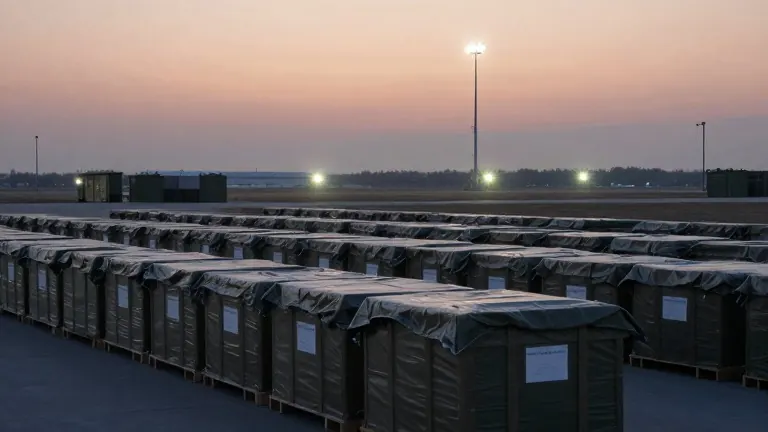
Defense chiefs in the Philippines announced a new facility for AMRAAM production while detailing recent Chinese naval movements near Kyushu.
By Riya Zhao ·
Defense officials from the United States and Japan announced a plan to build a missile assembly plant in Japan.
Japanese Defense Minister Shinjiro Koizumi made the announcement on Wednesday night in Cebu, Philippines. He was meeting with U.S. Defense Secretary Pete Hegseth on the sidelines of a regional security conference.
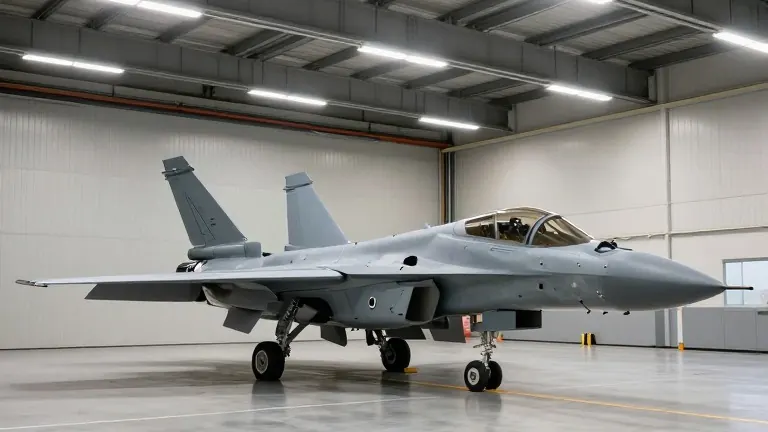
The facility will serve as a final assembly and inspection site for the Advanced Medium-Range Air-to-Air Missile, or AMRAAM. Koizumi stated that the joint project, named Operation Supercharge, is designed to support the F-35 fighter jets. The F-35 is one of the world's most advanced aircraft and is used by both the U.S. and Japanese militaries.
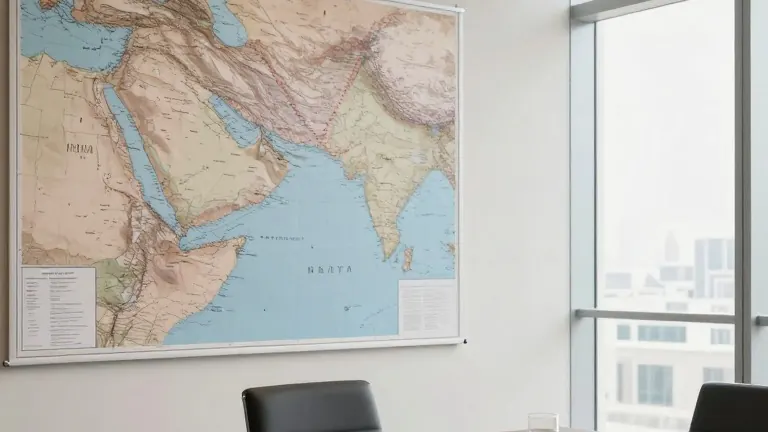
Koizumi described the regional security environment as challenging. He cited a specific incident involving Chinese naval vessels earlier this week. Three Chinese destroyers and a coast guard ship crossed the Osumi Strait south of Kyushu. The fleet then headed east into the Pacific Ocean.
Koizumi said this was the first time his ministry had observed such a fleet configuration. He used the event to illustrate the need for stronger deterrence. Japan has been increasing its military buildup in the southwestern part of the country to counter China.
During his talks with Hegseth, Koizumi said the two leaders agreed to strengthen the Japan-U.S. alliance. He noted that they planned to do so with greater speed and intensity than in the past. The two nations reaffirmed their support for an international order based on the rule of law. They rejected attempts to change the status quo through force or coercion.
Hegseth addressed ASEAN defense ministers in a separate session on Wednesday. The group was led by Philippine Defense Secretary Gilberto Teodoro Jr. Hegseth outlined the U.S. strategy as strong, quiet, and clear. He said the approach is designed to deter aggression without causing needless escalation.
The U.S. Secretary of Defense assured the group that Washington would defend its interests and those of its partners. He did not name China but spoke of the need to avoid public theatrics. Hegseth told the ministers that allies and adversaries should understand exactly where the United States stands.
Australian Defense Minister Richard Marles also spoke in Cebu. He said Australia and its allies would continue to defend the rules-based order in the Pacific. This stance comes after a Chinese fighter aircraft flew within 30 meters of an Australian surveillance jet last year. Marles said this incident did not deter Australia from asserting freedom of navigation.
The Philippines, Vietnam, Malaysia, Brunei, and Taiwan all have claims in the South China Sea. Confrontations between Chinese and Philippine vessels have increased in recent years. Washington has stated it is obligated to defend the Philippines if its forces come under armed attack. Japan and China also dispute control of islands in the East China Sea.