Salvadoran Troops in Haiti: Amnesty Demands Clarity
The rights group urges both governments to release the contract governing the 2,000 soldiers currently operating outside UN command.
By Elena Perry ·
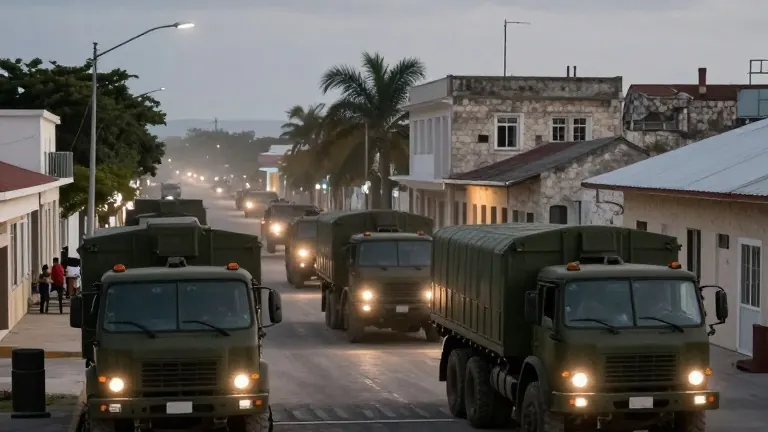
Amnesty International issued a formal request on Monday for El Salvador and Haiti to publish the agreement governing the deployment of approximately 2,000 Salvadoran troops in Haiti. The organization seeks a clear explanation of how these soldiers operate in the Caribbean nation and what standards protect residents during military engagements.
The demand follows the disappearance of four Salvadoran personnel in mid-October. President Nayib Bukele originally sent the troops to retrieve the missing men. He has since indicated a wider goal of dismantling Haiti’s powerful gangs, mirroring the strategy used in El Salvador.
Most of these soldiers operate outside the United Nations-backed Gang Suppression Force, or GSF. Their exclusion from that specific force has raised questions about the rules of engagement. Amnesty’s request focuses on disclosing the terms that apply to troops not integrated into the GSF structure.
Ana Piquer, the Americas director for Amnesty, stated that the two governments must clarify how they supervise the deployed forces. She asked for details on the rules governing the use of force and the chain of command. The group also wants to know how civilians can report suspected violations without fear of retaliation.
Piquer urged Bukele and Haitian Prime Minister Alix Didier Fils-Aime to ensure all operations follow international human rights law. She pressed both countries to provide for swift, independent, and impartial investigations into any allegations of abuse by the deployed forces.
The appeal highlights concerns about accountability. Piquer warned against repeating patterns from earlier interventions in Haiti. She said efforts to confront gang violence must avoid reproducing the lack of oversight that characterized previous foreign efforts in the region.