Voters Prioritize Inflation Relief in New Political Landscape
A split government forces lawmakers to confront $2 trillion deficits and the future of the Federal Reserve.
By Andrew Yang ·
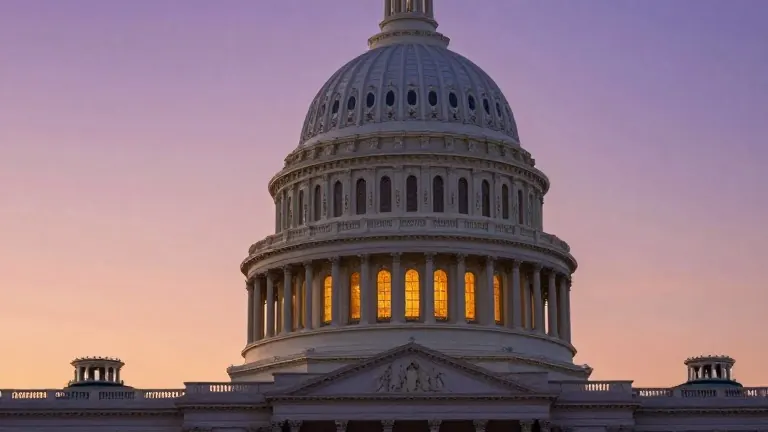
Voters delivered a clear mandate during the midterm elections: address the cost of living. The new Democratic majority in Congress and President Donald Trump now face the immediate task of repairing economic damage caused by inflation. This shift places pressure on both parties to deliver tangible results before the next electoral cycle.
The path to this moment began with a strong jobs report released on Friday. Employers added 165,000 positions, and the unemployment rate fell to 4.1%. Despite these figures, consumer prices remain high. The Consumer Price Index rose 3.7% over the past year. This inflation was driven in part by tariffs and the war against Iran, which President Trump initiated in February.
President Trump campaigned on the idea that a Democratic victory would trigger an economic depression. He has now stated he is willing to work with the new congressional majority. "I will get along, probably, with the Democrats, unless they want to be destructive," Trump told reporters last week. He also promised to veto any legislation that harms the United States, asserting his intent to fight for his supporters.
The new political balance affects the Federal Reserve. A divided government gives the central bank more room to operate. Douglas Holtz-Eakin, president of the American Action Forum, noted that the Federal Reserve is a surprise winner from the election. The Democratic Senate could block Trump from filling vacancies on the Fed’s board. This dynamic may reduce incentives for political interference and allow Fed Chair Kevin Warsh to focus on bringing inflation to the 2% target.
Budget deficits remain a central challenge. The federal government continues to accumulate debt at a rate of approximately $2 trillion per year. Interest payments on the national debt now exceed the military budget, surpassing $1 billion annually. Treasury Secretary Scott Bessent has promised a deficit reduction plan. He is working with White House budget director Russell Vought on what they call a fiscal consolidation package. This plan is expected to be released after the elections.
Technology and social security present additional hurdles. Data center construction rose by 80.6% over the last year, according to analysis by Harvard economist Jason Furman. However, stock markets reacted negatively to fears that Democrats might regulate the AI sector. Furman warned that the economy’s reliance on a single strength creates vulnerability. Meanwhile, the Social Security fund is projected to run out of money by the end of 2032. Sen. Elizabeth Warren and Sen. Bernie Moreno are developing a bipartisan plan to address this, including raising the payroll tax cap.
The next step involves the release of the administration’s fiscal plan and early clashes over public spending. Lawmakers must navigate trade-offs between tax increases and spending cuts. The Federal Reserve will continue to adjust interest rates in response to economic data. The success of these efforts will determine whether voters feel relief at the next election.
Senator Warren emphasized the urgency of fixing Social Security. She noted that checks for retirees will drop by nearly a quarter after 2032. The current legislative session offers a window for bipartisan action before the next term begins. Both parties face the risk of alienating voters if they fail to manage inflation and debt.
More Business · Scam Watch · Report a business · Got a Story?